
No products in the cart.

CBD Delivery Methods Leave a comment
CBD Delivery Methods. The science regarding CBD is still new, and many of its uses are not approved by the FDA. Still, you likely have seen several kinds of CBD products for sale at pharmacies and even at grocery stores. Since CBD comes in various forms – oils, capsules, gummies, sprays, and more – how do you know which is the best choice?
You’ve likely heard about the various ways cannabidiol, often referred to as CBD, may help soothe the symptoms of arthritis and chronic pain, as well as address mental health conditions like anxiety, addiction, and posttraumatic stress disorder. CBD, according to the CDC, is a compound found in marijuana. But it’s not considered impairing and it won’t make you high.
CBD Delivery Methods
What Are Different CBD Forms and Their Advantages and Disadvantages?
Oils
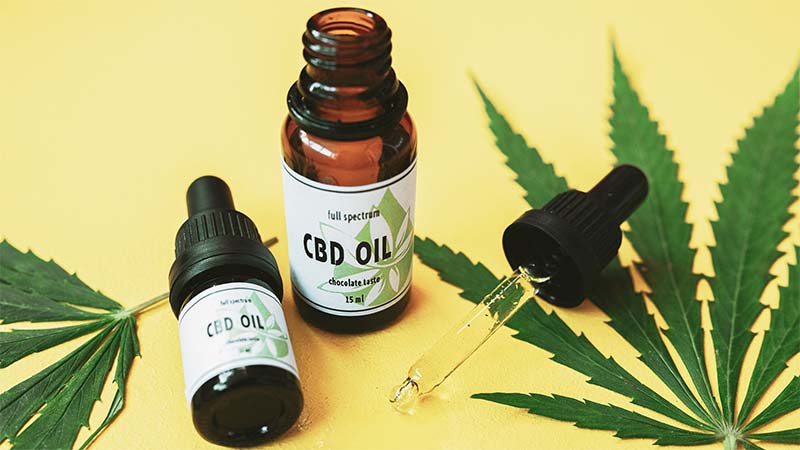
Oils are among the most popular and common delivery methods of CBD. Some studies show that CBD oil is effective for easing pain and depression. It is also shown to help with addiction, as well as insomnia, though some research suggests it doesn’t. CBD oil is generally considered safe.
Tinctures
Sometimes, tinctures are used interchangeably with CBD oil, but they are actually different. Tinctures are made by soaking cannabis in a type of alcohol, while CBD oil is generally suspended in a carrier, like coconut or olive oil.
CBD tinctures are usually taken orally by placing a few drops under the tongue. One advantage of CBD tinctures is that they are easily absorbed and fast-acting, so you will likely feel the effect more quickly than with other products. Since you take tinctures with a dropper, you can likely measure the amount that you are taking with relative ease. Tinctures have a long shelf life, too.
Topical treatments include creams and ointments with CBD in them. They can give targeted relief for the affected area on the skin. There is evidence that topicals help with skin issues like eczema, psoriasis, serious itching, and inflammatory conditions. Since they are creams, they can be easily applied multiple times a day. Very few negative side effects are linked to topical CBD.
In terms of disadvantages, there is little research on topical CBD and its effectiveness, and many creams and lotions can be more expensive than other CBD products.
You likely won’t feel an effect right away if you take a capsule, since it has to hit your stomach before it is released. Since you’re taking a capsule, it isn’t targeted and will go to all parts of your body. It is slow-acting, taking about 1-2 hours to take effect.
Gummies
One of the advantages of gummies is you can take them without calling attention to yourself. They are small and discreet, and many have fruit flavors that can mask the taste of CBD. You will be able to be clear about the dosage by counting how many gummies you take.
A CBD spray comes in three forms: nasal, oral, and topical. Oral sprays are shown as the fastest-acting since CBD is absorbed through the mucous membrane. Sprays are easy to use, and the dosing can be measured more accurately. Since the sprays are easy to take with you, they can be used fairly often during the day. Sprays are a good alternative to inhaling or smoking CBD, especially if you have certain medical conditions.
A study showed CBD spray was well-tolerated and patients benefited from less pain and better sleep.
Lozenges aren’t always fast-acting, so if you’re looking for quick relief, you may want to consider other CBD products. Lozenges are often combined with other additives and sugars that you may want to avoid because of dietary restrictions. As with any CBD product, there may be low-quality lozenges on the shelf that may not have much benefit, or they may be tainted with other ingredients, such as THC.
Which Form Works Best for You?
There may not be one form of CBD that fits all. People react differently with various forms of CBD, and contacting a doctor may help you find out what works best. You have to consider your particular body chemistry, the condition that is being treated, and the speed of the delivery method.
CBD Delivery Methods