How CBD Oil Thailand Supports Everyday Balance Through Science Backed Educational Approaches Now
How CBD Oil Thailand Supports Everyday Balance Through Science Backed Educational Approaches Now. In recent years many people across Thailand and beyond have begun looking more carefully at plant-derived compounds that sit outside the louder conversations about cannabis. One substance that continues to draw quiet, practical interest is CBD Oil Thailand. Far from the headlines that once focused only on recreational use, this oil has settled into a more measured space: a topic of everyday wellness discussion, regulatory clarity, and ongoing scientific observation.
What makes the conversation interesting is how quickly the landscape has matured. Visitors and residents alike now ask straightforward questions about what is permitted, what quality markers matter, and how the oil is typically used. The answers are not dramatic; they are practical. Thailand’s framework draws a clear line at 0.2 per cent THC by weight for non-narcotic status, and products that meet this threshold and carry proper Thai FDA registration remain available without a prescription.
This article gathers current information, research notes, and common-sense guidance so readers can form their own view. It avoids claims of miracle cures and instead focuses on what is known, what remains under study, and how people approach the topic thoughtfully. The aim is simple education rather than persuasion.
Thailand’s position on low-THC extracts has stayed relatively stable even as rules around flower and higher-THC products have tightened. Understanding that distinction helps anyone who wants accurate, up-to-date knowledge.
What Exactly Is CBD Oil and Why the Thailand Context Matters
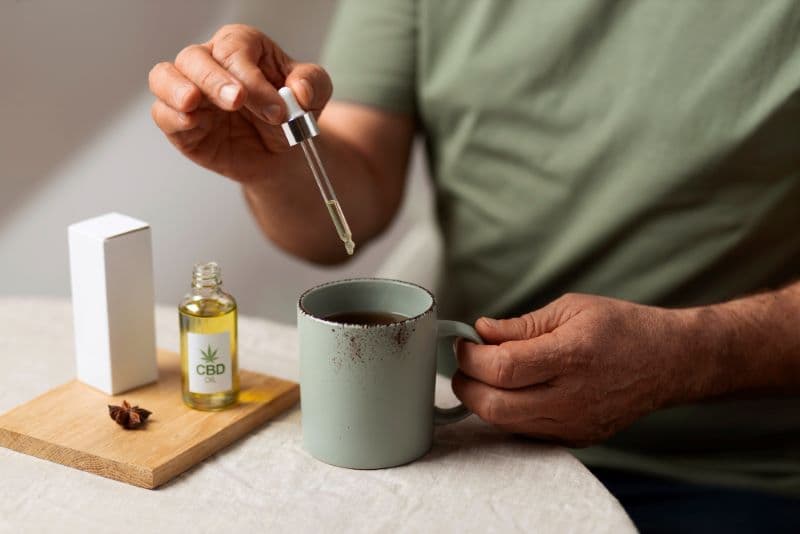
Cannabidiol, commonly shortened to CBD, is one of the many compounds found in the cannabis plant. Unlike THC, it does not produce a psychoactive “high.” When extracted and formulated into an oil, usually mixed with a carrier such as MCT oil, it becomes a product that can be taken under the tongue, added to food, or applied topically in some formulations.
In Thailand the legal distinction rests on the finished product’s THC content. Products containing 0.2 per cent THC or less by weight, once registered with the Thai Food and Drug Administration, fall outside the Category 5 narcotic classification. They may be sold through pharmacies, wellness shops, and authorised online channels. Products exceeding that threshold remain controlled.
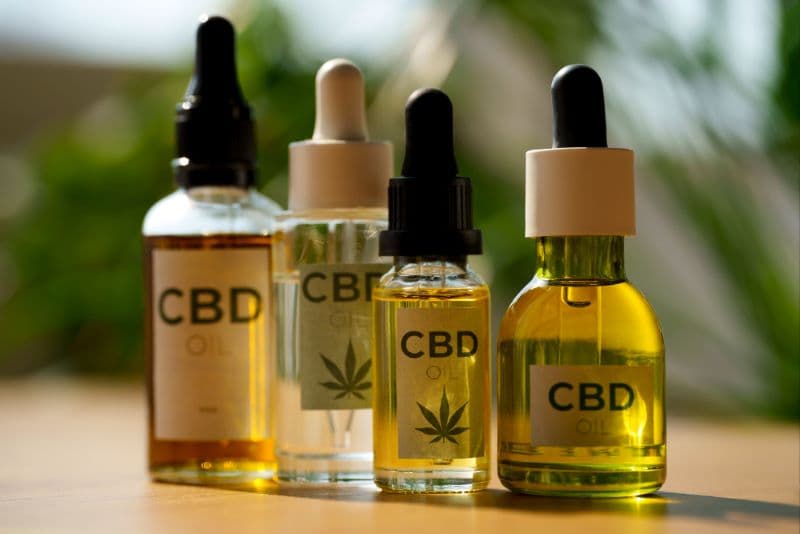
This framework has practical consequences. Consumers looking for CBD Oil Thailand should check packaging for FDA registration details and preferably for independent laboratory results that confirm both CBD content and THC levels. The presence of a registration number is one of the clearest signals that a product has passed through the official pathway.
Recent regulatory updates in 2026 have mainly affected higher-THC extracts and flower sales. Low-THC CBD products have largely continued under existing food, cosmetic or herbal product rules. This stability has allowed a quieter market of oils, capsules and topicals to develop alongside the more tightly supervised medical cannabis channels.
Current Legal Snapshot in Simple Terms
The following table summarises the main distinctions as of late 2026:
Product TypeTHC LimitPrescription Needed?Typical Sales ChannelNotesCBD oil / tinctures≤ 0.2 %NoPharmacies, wellness shops, onlineMust be FDA-registeredCBD cosmetics / topicals≤ 0.2 %NoSameCosmetic registration appliesHemp seed oil (no extract)TraceNoGeneral retailGenerally unrestricted when registeredExtracts above 0.2 % THC> 0.2 %Special licenceRestrictedCategory 5 narcoticCannabis flowerAnyYes (PT33)Licensed medical outletsControlled herb since mid-2025
This table is a practical reference rather than legal advice. Rules can evolve, and individual circumstances differ. Anyone with specific medical needs should speak with a qualified healthcare professional.
Importantly, personal importation of CBD products from overseas remains restricted. Travellers are generally advised not to bring their own oils into the country; local registered products are the safer route.
What Research and Observation Currently Suggest
Scientific interest in cannabidiol continues. Studies have examined its interaction with the body’s endocannabinoid system, a network involved in regulating sleep, mood signals, pain perception and inflammatory responses. Results are mixed and often depend on dose, formulation and the condition being studied.
For example, some clinical work has explored CBD as an adjunct in certain forms of epilepsy, where specific pharmaceutical preparations have shown benefit under medical supervision. Other trials looking at chronic pain or anxiety have produced more variable outcomes; some participants report improvements while larger reviews note that evidence for CBD alone is still developing and frequently of low certainty.
A useful way to think about the current state of knowledge is that CBD is neither a proven cure-all nor an inert substance. Individual responses differ. Factors such as body weight, concurrent medications, and the quality of the product all play a role. Starting with lower amounts and observing personal response is a common practical approach recommended in educational materials.
International research published in 2025–2026 continues to refine understanding of molecular targets, including effects on certain ion channels and receptors. At the same time, commercial product quality varies widely, which is why laboratory testing and transparent labelling remain important consumer safeguards.
Practical Considerations When Exploring CBD Oil Thailand
People who decide to try a registered product often begin by considering a few everyday points:
Concentration: Oils are labelled by total milligrams of CBD per bottle and sometimes by milligrams per serving. A 30 ml bottle containing 1,000 mg CBD is different from one containing 3,000 mg.
Spectrum type: Isolate products contain only CBD. Broad-spectrum versions include other plant compounds but remove most THC. Full-spectrum versions retain a wider range of compounds while still staying under the 0.2 % THC limit.
Carrier oil: MCT oil is common because it is easily absorbed. Some formulations use hemp seed oil or other bases.
Administration: Sublingual (under the tongue) use allows relatively quick absorption. Effects, when noticed, typically appear within 30–90 minutes and may last several hours, though this varies.
An illustrative example: someone seeking general daily calm might start with a low dose such as 10–20 mg in the evening and note any changes in sleep quality or tension over a week or two. Another person exploring support for occasional discomfort might adjust timing and amount under professional guidance. These are illustrations of common practice, not prescriptions.
Quality markers worth checking include:
Clear THC content statement
Batch-specific laboratory results (ideally third-party)
Thai FDA registration details
Expiry date and storage instructions
Reputable retailers usually make certificates of analysis available upon request.
Tables for Everyday Reference
Typical starting ranges reported in educational guides (not medical advice):
Purpose (general interest)Common starting rangeNotesEveryday wellness5–15 mg per dayOften taken once or twice dailyOccasional tension support15–30 mgObserve response over several daysSleep-related exploration20–40 mg in eveningTiming and consistency matter
Again, these figures are drawn from commonly shared educational materials and individual results differ substantially. Consultation with a healthcare provider is wise, especially if other medications are being taken, because CBD can interact with certain drugs metabolised by the liver.
Broader Context and Recent Developments
Beyond individual use, Thailand’s experience forms part of a wider regional and global conversation. After the 2022 removal of the cannabis plant from the narcotics list, the country became a focal point for both opportunity and subsequent regulatory refinement. By mid-2025 flower sales moved to a prescription model, and 2026 brought additional licensing requirements for higher-THC extracts. Throughout these shifts, the low-THC CBD category has remained comparatively accessible.
News updates in late 2026 have focused on enforcement of existing rules rather than sudden prohibition of compliant CBD products. Government statements have emphasised medical and health-oriented use while maintaining the 0.2 % THC threshold for non-narcotic status. For consumers this means the practical advice has stayed consistent: choose registered products, verify labelling, and stay informed through official channels.
Internationally, interest in plant compounds continues. Research institutions examine everything from molecular mechanisms to real-world usage patterns. At the same time, quality-control challenges persist in many markets, reinforcing the value of transparent testing and regulatory oversight.
Frequently Asked Questions
1. Is CBD Oil Thailand legal without a prescription?
Yes, provided the finished product contains no more than 0.2 % THC by weight and is registered with the Thai FDA. Such products may be purchased from authorised retailers.
2. Can visitors bring their own CBD oil into Thailand?
Personal importation is generally not permitted. Local registered products are the recommended option.
3. Does CBD Oil Thailand produce a high?
No. CBD itself is non-intoxicating. Products staying under the 0.2 % THC limit should not produce psychoactive effects associated with THC.
4. How should someone begin if they decide to try a product?
Many educational resources suggest starting with a low dose, using a consistent schedule, and observing personal response over time. Checking for laboratory results and registration is a sound first step. Professional medical advice is advisable for anyone with health conditions or taking other medicines.
5. Are CBD vapes legal in Thailand?
No. Thailand maintains a ban on e-cigarettes and vaping devices. Even low-THC liquids intended for vaping fall under this restriction.
Closing Thoughts
Learning about CBD Oil Thailand is ultimately an exercise in gathering accurate information and making personal choices that fit individual circumstances. The regulatory picture in 2026 continues to distinguish clearly between low-THC products and higher-THC or flower-based materials. Research provides useful context but does not replace professional medical guidance. Quality, transparency and responsible use remain the practical foundations.
Whether someone’s interest is driven by general wellness curiosity, specific everyday concerns, or simply a desire to understand the local landscape, the most helpful approach is calm, fact-based exploration. Registered products, clear labelling and realistic expectations form a solid starting point for anyone who chooses to look further.
For those interested in exploring compliant options available in Thailand, Siam CBD Vape offers a selection of products and information at siamcbdvape.com. As always, verify current details directly with the retailer and consult qualified professionals for personal health questions.
Relevant Sources
BangkokWeed.com – CBD in Thailand 2026: What’s Legal, What Isn’t, and the 0.2% THC Rule (bangkokweed.com/cbd-in-thailand)
Cannabis for Thailand – Buy CBD Oil in Thailand 2026 guide (cannabisforthailand.com/blog/cbd-oil-thailand-guide)
Cannabis for Thailand – Thailand’s Cannabis & Hemp Extract Rules 2026 (cannabisforthailand.com/blog/thailand-cannabis-extract-regulation-2026)
Siam Green Co. industry updates on Thai cannabis rules (siamgreenco.com/industry)
Thai FDA and Ministry of Public Health regulatory framework references (official Royal Gazette publications and related summaries)
The information above is educational and reflects publicly available material as of November 2026. It is not medical or legal advice. Regulations and research continue to develop; readers are encouraged to consult official sources and qualified professionals for decisions affecting health or compliance.